Training nobody uses again has a smell, and you can catch it in the room.
Written for anyone who books, designs or delivers workplace AI training and wants to know — before the money is spent — whether it will change anything. The argument is from live rooms, not a study, so hold it to that standard.
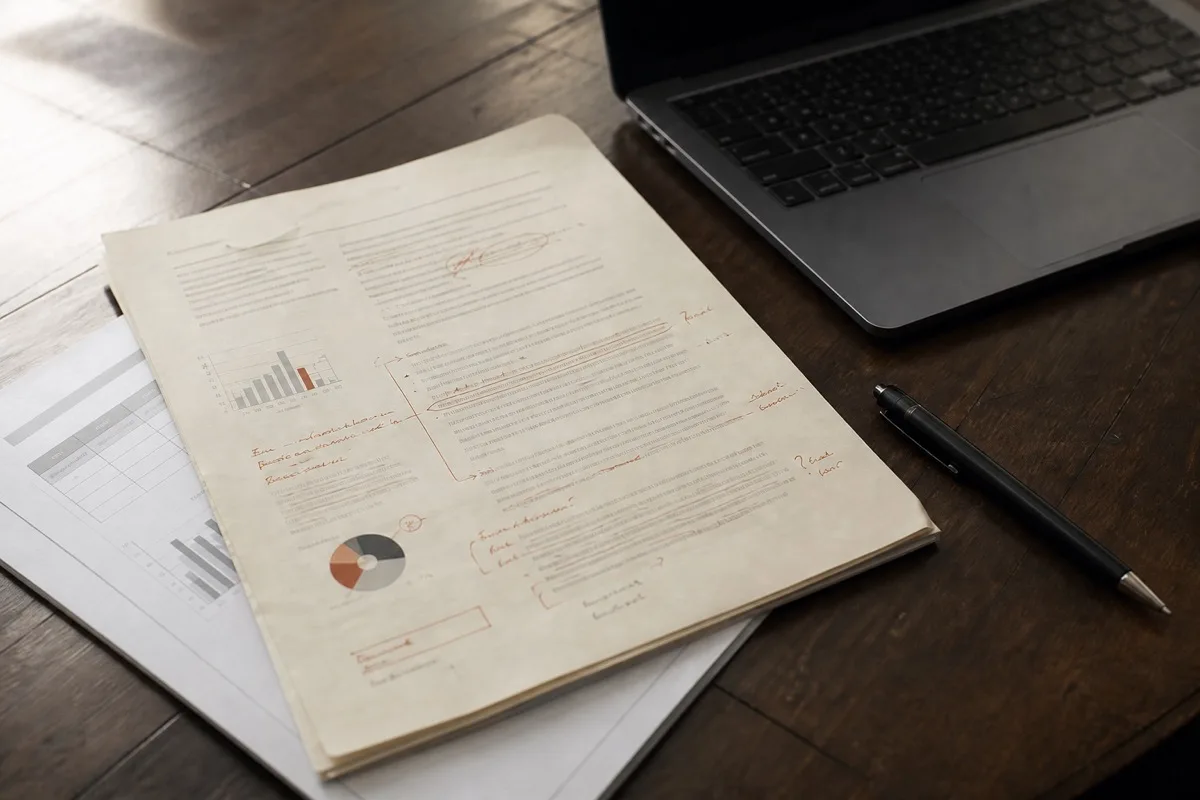
Every training I've watched fail gave the same early signal. People could describe the tool accurately — often impressively — and couldn't name one thing they'd do differently on Monday. That gap shows up hours before the feedback form says the day went well, and the feedback form will say it went well. Satisfaction scores measure whether people enjoyed the room. They say almost nothing about whether the work changes.
What the signal looks like from inside the room
It isn't boredom. Rooms that are about to produce no change are often lively: good questions, real laughter, someone at the back saying "this is actually impressive." The tell is more specific. Answers stay in the tool's vocabulary instead of the team's. People discuss what the model can do, in general, for someone — and never reach for a live file of their own. When a demonstration lands, they photograph the slide instead of opening a document.
The signal is not silence or resistance. A room can be lively, ask good questions and produce excellent feedback scores while still avoiding the only question that matters: which real task will be done differently next week?
Listen for answers with no object and no date: “I can see myself using this,” “we should explore it,” or “this will save us time.” They are reactions, not plans. A usable answer names the document, decision or recurring task; says when it will next appear; and identifies what a person will try when it does.
Why it happens
The mistake is treating training as an information problem. It stopped being one a while ago — nearly everyone in an office job has tried a chatbot by now. When a room isn't going to change how it works, one of four things is actually in the way, and each needs a different response:
- They don't know. A genuine knowledge gap. The only one of the four that teaching, on its own, can fix.
- They can't see where it fits. The examples belong to someone else's job. The fix is using their document, not a demo.
- The old way is faster. And they're right — today. The new method has to be repeated until it's quicker, or it loses to the deadline every time.
- They could, and won't. Deliberate caution. Test the concern instead of dismissing it; sometimes they are right, and finding that out in the room is a result, not a failure.
A day designed for the first problem, delivered to a room stuck on the third, produces exactly the smell this note is about: accurate descriptions, zero Monday plans.
The practical test
Before the room empties, ask every participant — individually, not as a show of hands — what they will do differently on Monday. Not what they learned. What they will do, on which piece of work, and when.
The answers are the diagnosis. Specific answers with a task and a date attached mean the day worked. Vague enthusiasm — "I'm definitely going to explore this" — means you caught the failure while there's still time to fix it, which is more than most feedback forms ever tell you.
What still works once you've spotted it
The recovery is unglamorous: stop presenting, and get the room building. Real files, supervised, with the first bad attempt treated as the mechanism rather than a mishap. The aim isn't a polished output; it's the judgement to improve and safely use what comes back. Every participant should leave owning a workflow they built — not a page of notes they will never reopen.
That principle is blunt, and it's the standard I run sessions against: if nothing was built, the day did not work. The useful measure of any training is what the team can still do after the room, under a real deadline.
This field note states a position from my own training work. It's opinion grounded in first-hand experience, not research findings — there is no dataset behind it, and I'd distrust one that claimed to settle it.
If you want the full method this comes from — how sessions are diagnosed, designed and measured — it's written out on the methodology page so you can circulate it and disagree with it.
Related: why one good day is rarely enough — the AI Adoption Programme