Prompt with intent
Brief it like a sharp new hire: the task, the context, the format and the limits.
Turn this email thread into a client-ready status update: what's done, what's blocked, what we need from them.How the workshops are designed and how they run. It's written out so you can circulate it, disagree with it, and hold me to it.
Minimum Viable Learning is the smallest complete skill set someone needs to do one real task safely—without the trainer beside them.
Six moves that take AI from tool, to assistant, to co-worker, to a system your team runs — with judgement holding it all together.
Brief it like a sharp new hire: the task, the context, the format and the limits.
Turn this email thread into a client-ready status update: what's done, what's blocked, what we need from them.Point it at documents you already trust and make it answer from them, traceably.
Here are last quarter's report and this month's numbers. What changed, why, and what should worry us?Set the question, the sources that count and the evidence standard before it goes looking.
Before we set pricing: what do our top three competitors charge, from their own pages, and what's included?Hand over an outcome, not a step: the goal, the folder it may use, the deliverables and the stop points.
From this folder of meeting notes, draft the weekly client update and a task list with owners. Drafts only — don't touch the source files.Nothing leaves the building unchecked: claims, omissions, privacy and the cost of being wrong.
Label each claim in this draft supported, unclear or unsupported — then classify the input green, amber or red.One good run becomes a named system: inputs, steps, an owner and a review gate.
Turn meeting notes and the house template into a Monday report any colleague can rerun.Keep scrolling — each depth turns the layer of the cube it unlocks.
Longer programmes add practice and feedback—not more slides.
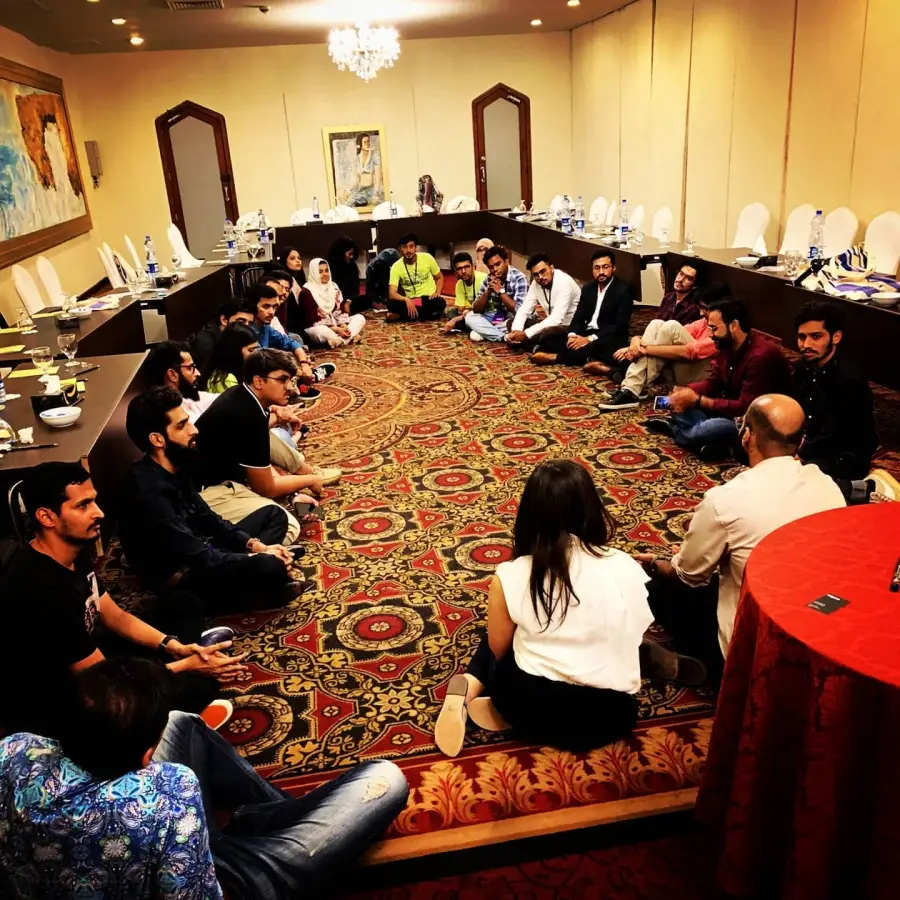
No fixed learner labels. Show the idea, practise it, explain the judgement and use it again at work.
One idea, three representations.
Understanding is only the first rung.
The job is part of the course.
Four blockers. Four different responses.
Teach the missing principle.
Use their document, not a demo.
Repeat until the new method is quicker.
Test the concern. Sometimes they are right.
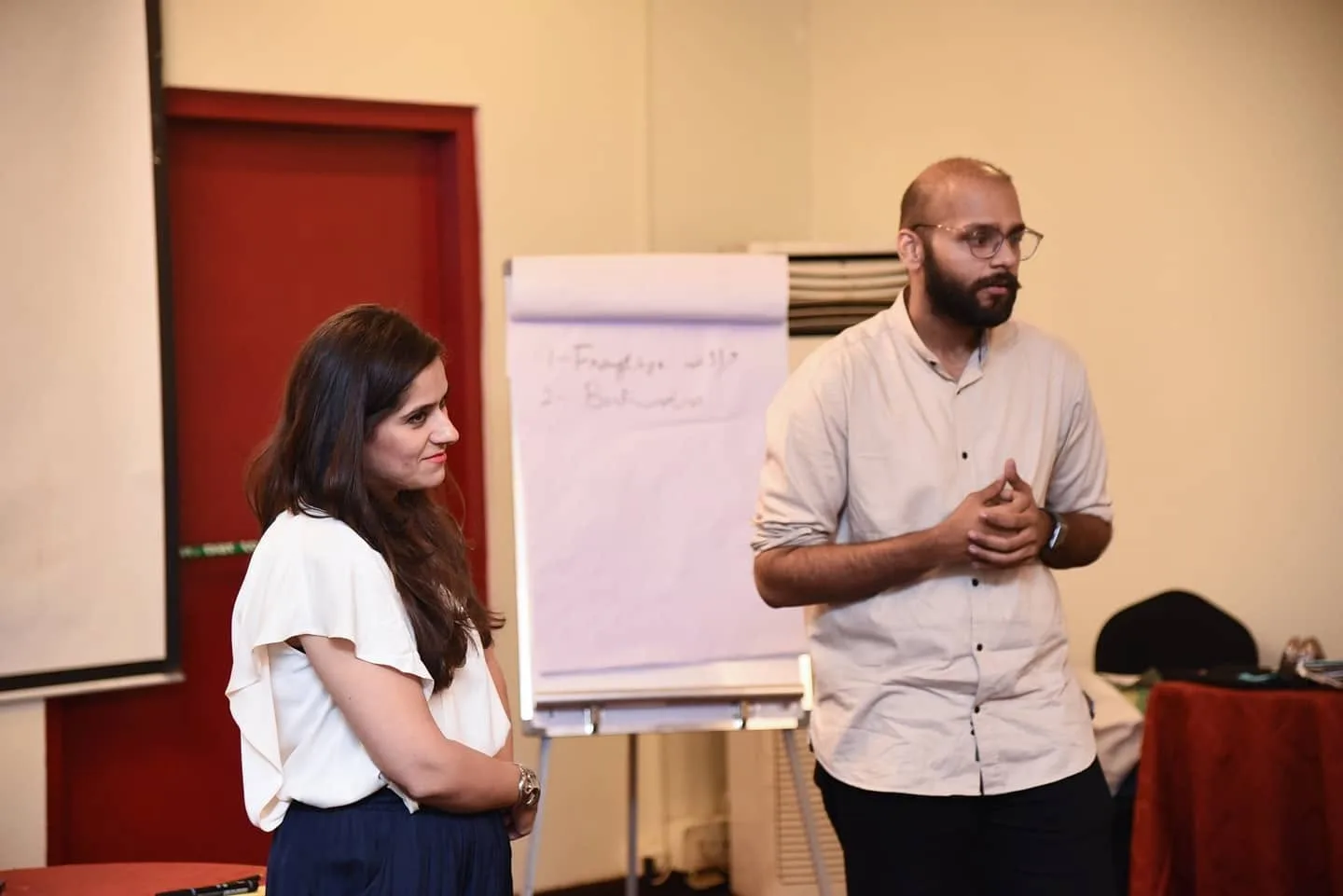
Most of the day is work, not watching.
Principles survive product updates.
Approved tools. Real files. Human checkpoints.
Take apart one bottleneck. Prototype the fix.
Use. Analyse. Judge. Create.
If nothing was built, the day did not work.
Choose by the change you need—not by a package name.
One team. One workflow. One first build.
Limit: capability changes before habit.
Practice at work between sessions.
Best for: changing repeat behaviour.
Several teams. Separate diagnosis. Measured transfer.
Best for: an organisation-wide rollout.
I won't promise a multiplier on a sales call. The return on this training is ordinary arithmetic — and it's worth seeing what protects it and what quietly breaks it.
The first hours usually come back from repeated drafting, summarising, research preparation and reformatting. The honest number is measured against a specific workflow before and after the change — not borrowed from a vendor benchmark and multiplied across everyone.
The expensive side of AI is the confident error that leaves the building. Evaluation is taught as hard as generation because time saved upstream is not a gain if unsupported claims, omissions or privacy failures create more work downstream.
Training nobody uses on Monday. That is the only real failure mode, and it's why every participant leaves with a named workflow, an owner and a next-use date. The transfer loop above is the ROI protection, not an add-on.
Thirty minutes. Tell me who's in the room and what they're stuck on, and I'll tell you which of the four is in the way, and whether a workshop actually fixes it.